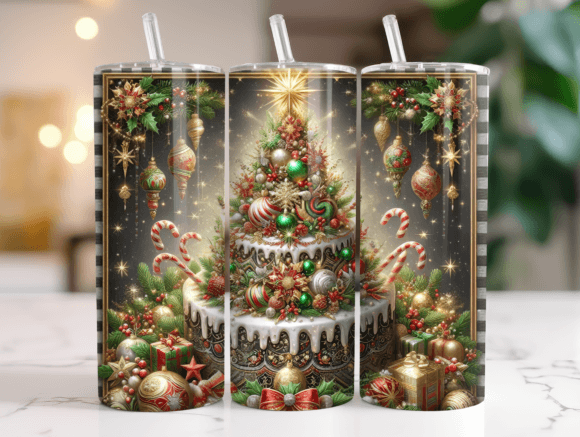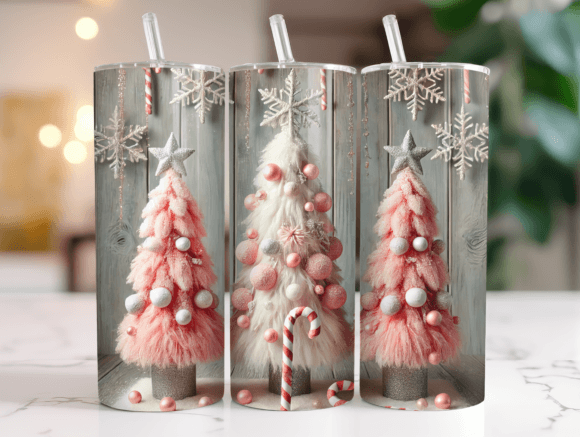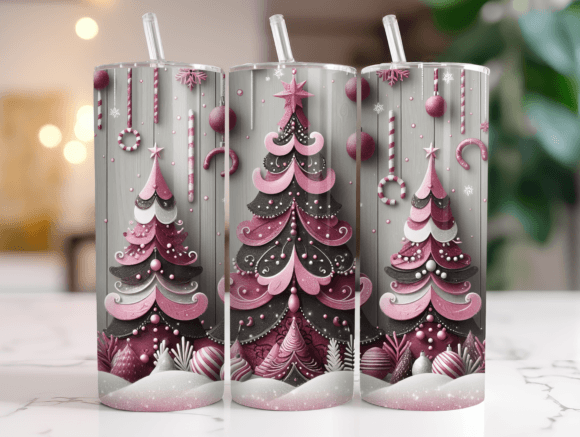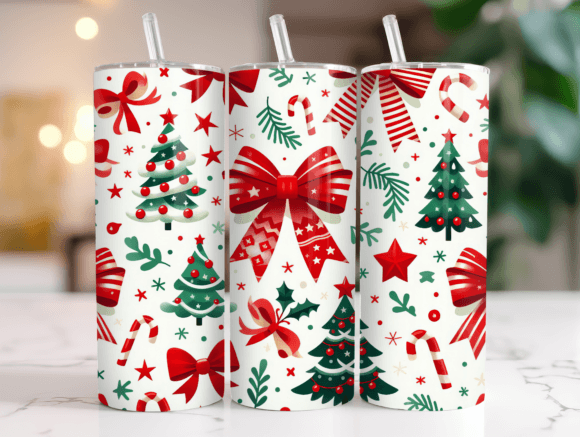
Minimalist Christmas Tree Tumbler Design
A Designer’s First Glance: Clean, Calm, and Quietly Confident
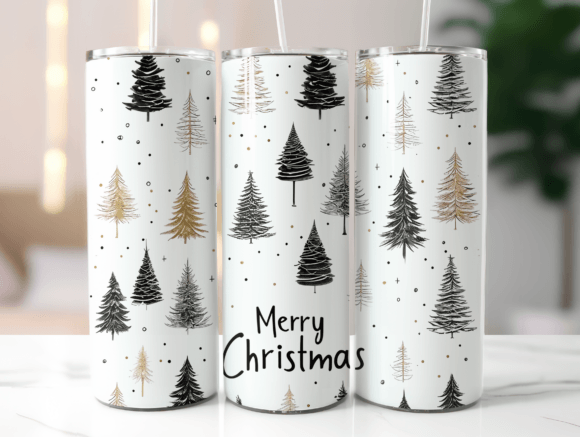
When I opened the Minimalist Christmas Tree Tumbler Design, my first thought wasn’t “festive” — it was “breathable.” That’s rare for holiday motifs. The shape is a single, unbroken silhouette: a slender triangle with three subtle horizontal notches suggesting branches, anchored by a tiny rectangular trunk. No ornaments, no glitter, no snowflakes. Just confident negative space and intentional simplicity. It feels like a quiet nod to tradition — not a shout. For embroidery designers who value clarity over clutter, this isn’t just a design; it’s a statement about restraint.
Why It Works on Real Embroidery Projects (Not Just Mockups)
I tested the Minimalist Christmas Tree Tumbler Design on a natural linen tea towel, a midweight cotton sweatshirt, and a structured twill cap — all common staples in craft businesses and Etsy shops. On the towel, the clean lines translated beautifully into satin stitch with minimal fill stitch needed. On the sweatshirt, it held its shape without puckering, even with light stabilizer. The cap was trickier (curved surface + tighter weave), but because the design avoids fine interior detail or tight corners, it stitched cleanly with standard hooping and medium cutaway.
This isn’t an applique design or a dense fill-stitch forest. It’s built for legibility at small scales — ideal for embroidered patches, baby onesies, minimalist aprons, or pillow covers where subtlety reads as sophistication, not emptiness. I’ve seen too many holiday embroidery files drown in decorative flourishes that vanish after stitching. This one doesn’t ask for forgiveness — it earns attention by staying legible, even at 2.5 inches tall.
Where It Shines — And Where to Pause
- Perfect for: tote bag designs, custom apparel (especially neutral-toned sweatshirts and tees), nursery decor, personalized holiday gifts, boutique branding, and small shop merchandise where cohesion matters more than complexity.
- Strong fit for: machine embroidery design on stable fabrics like canvas, denim, quilting cotton, and medium-weight knits — especially when paired with tonal thread colors (forest green on charcoal, deep burgundy on cream).
- Use with care on: highly textured fabrics (like bouclé or heavy terry), ultra-thin silks or rayon (risk of show-through), stretchy performance knits (hoop tension must be precise), and dark fabric without testing thread contrast first. Also avoid placing it near seam allowances on curved items like caps — the clean edge needs breathing room.
What It Adds to Your Finished Product — Beyond Stitching
Embroidery isn’t just about thread on fabric — it’s about perception. A well-chosen design elevates handmade product credibility. The Minimalist Christmas Tree Tumbler Design quietly signals intentionality: this isn’t mass-produced holiday noise. Customers notice that. On Etsy listings, it performs well in printable mockups — the clean PNG renders crisply across devices, and black-and-white previews still communicate shape and balance. That matters for digital embroidery file buyers who need to visualize before purchasing.
It also supports brand consistency. If your craft business leans into earthy tones, slow-made values, or modern heirloom aesthetics, this design reinforces that voice — unlike busier alternatives that feel generic or dated. And yes, it’s gift-ready: a linen tea towel with this stitched in soft sage thread reads as thoughtful, not trendy. That builds trust, especially for wedding or baby shower gifts where sentiment outweighs sparkle.
Practical Notes Every Embroidery Designer Should Check
- Test on scrap fabric first — especially if using it on textured or dark backgrounds. PNG resolution (300 dpi) is solid for print, but embroidery requires stitch-level verification.
- Review stitch density in your embroidery software — since this is a graphic-based digital embroidery file (not a native .dst or .pes), you’ll need to digitize it properly for your machine. Don’t assume auto-digitizing will preserve its minimal integrity.
- Confirm hoop size compatibility — while the shape is simple, its proportions may push limits on smaller hoops (under 4”). Measure before committing to a batch run.
- Inspect small details at 200% zoom — those branch notches must remain distinct after scaling down. If they collapse into blobs, adjust underlay or reduce scale slightly.
- Try black-and-white mockups — does the shape still read clearly? If yes, it’s robust enough for commercial embroidery use across varied products.
- Check licensing terms before selling finished items — this is a printable design, not an SVG or editable vector. Confirm whether your intended use (e.g., selling embroidered totes on Etsy) aligns with the seller’s license. When in doubt, reach out.
Final Thought: Less Is Anchored, Not Empty
As someone who’s stitched hundreds of holiday designs — from hyper-detailed nutcrackers to tangled wreaths — I keep returning to the Minimalist Christmas Tree Tumbler Design for projects where quiet confidence matters most. It doesn’t try to do everything. It does one thing very well: distill a season into a shape that feels both familiar and fresh. That makes it unusually versatile for craft business owners juggling custom apparel, holiday gifts, and small shop product lines. It’s not flashy — and that’s exactly why it endures.